
Best Times of Year for Salmon Fishing on the River Tay
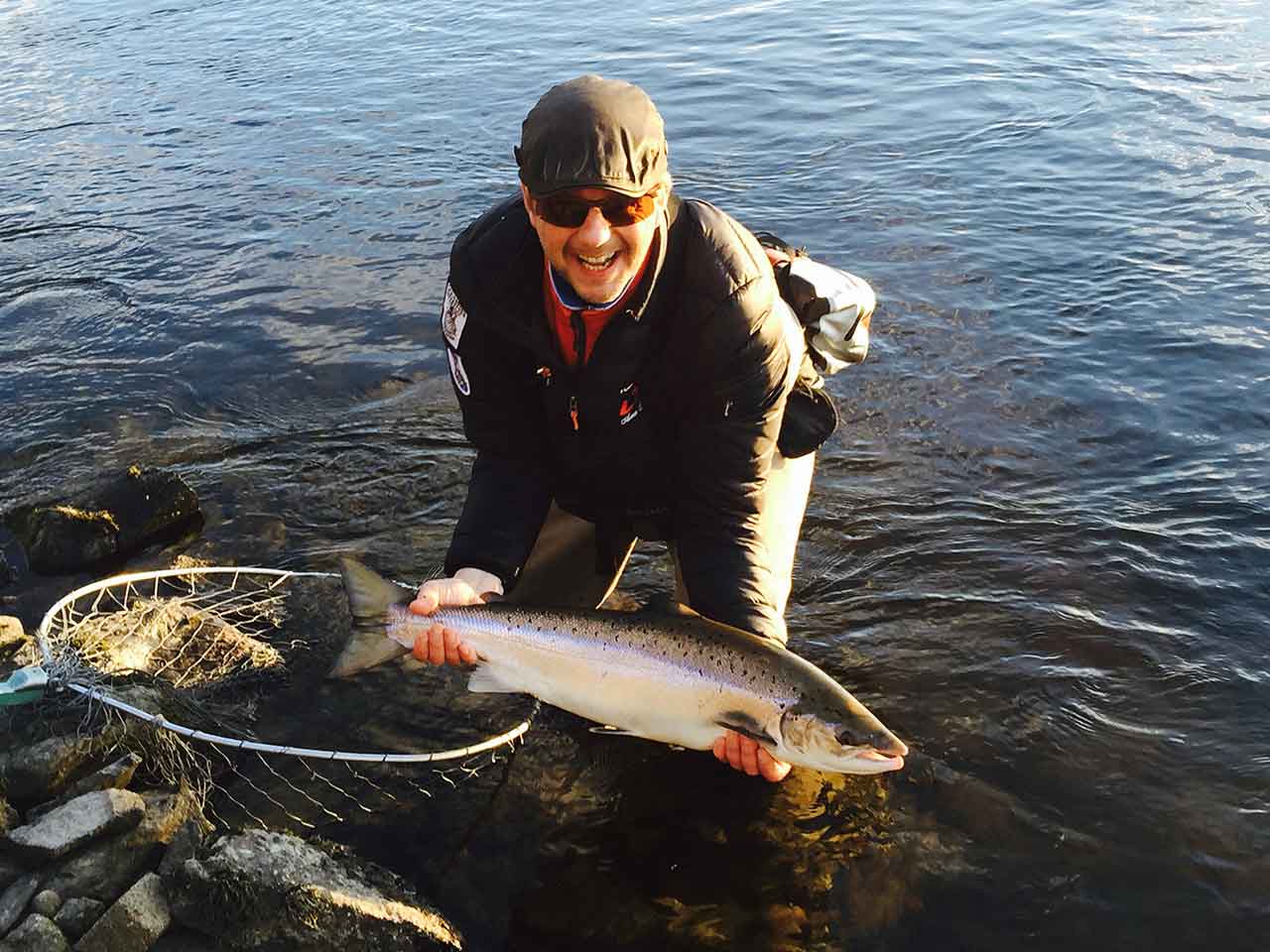
The world-famous River Tay needs little introduction in salmon fishing circles. The River Tay runs through the heart of beautiful Perthshire and is arguably the most famous salmon river in the British Isles. It is the largest river in Britain and is mighty, not only in size, but also in reputation. Annually the Tay produces over six thousand salmon and grilse. The Tay still holds the British rod caught record for the heaviest salmon, weighing in at a colossal 64lbs. To this day, the River Tay still has a reputation for producing big fish. Each year a number of fish over the thirty-pounds mark are caught and fish of over forty pounds are not uncommon.
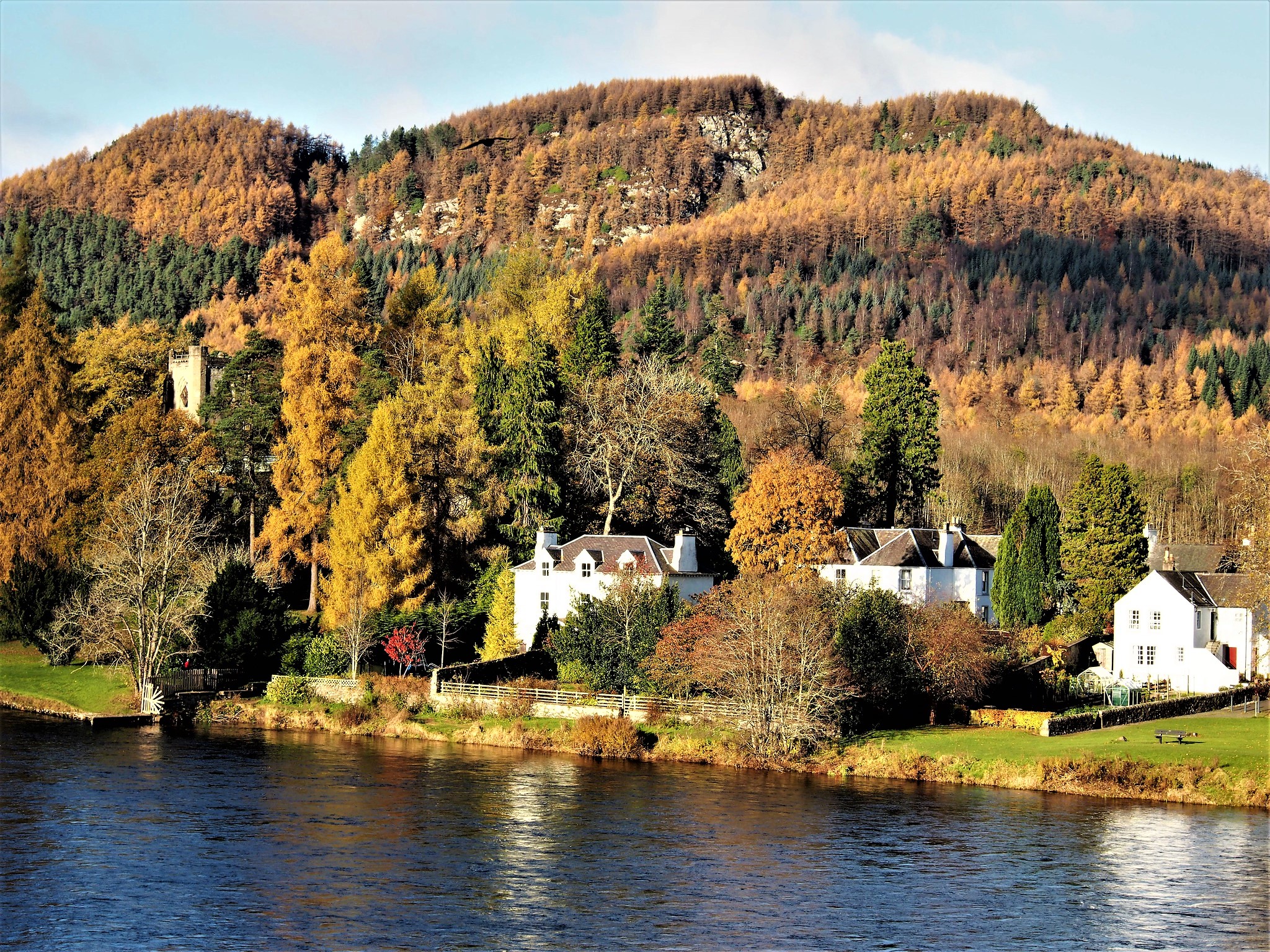
The Tay has a massive catchment area, with a number of large tributaries like the Isla, Tummel and Lyon amongst others, flowing into the main river. Some of the headwaters of the river rise from Ben Lui, which is located close to the west coast of Scotland, while others originate from the Grampian Mountains in the north. The main stem of the river flows out from Loch Tay at Kenmore, and then through stunning Strathtay. It is at this point that rivers like the Lyon and Tummel join the mainstem. From the confluence of the Tummel downstream, the river becomes much wider and is known as the middle Tay. The river flows by pretty Perthshire towns like Dunkeld and Murthly before another major tributary, the Isla joins the main river. At this point the river almost doubles in size as it flows towards Perth. The river finally enters the estuary at Newburgh and flows onwards towards the City of Dundee.
Best Ways to Fish for Salmon on the Tay
River Tay Salmon Fishing: Tips, Seasons, and Techniques
The River Tay offers great salmon fishing in Scotland throughout the season and even when the river is at its lowest levels, salmon will still run upstream due to there being adequate water from a number of lochs at the headwaters of the system. The river produces fresh hard fighting salmon from opening day in January right through to October.
The Tay also has its own unique method of salmon fishing which is regularly practiced and is known as harling. Harling is performed using a motorised boat. Usually three spinning rods which are placed in rod holders have lines with lures on them moving behind the boat. The ghillie then expertly manoeuvres the boat from side to side, covering the likely lies, while gradually dropping down the pool. The motion of the boat, coupled with the strong current, gives the lures a life-like motion which can often prove too irresistible for a salmon. As the Tay is such a big river this can be a particularly effective method when used to cover large pools in the spring and autumn months.
Our Latest Fly Fishing Packages on the River Tay
Experience the ultimate fishing adventure on the majestic River Tay, Scotland’s premier angling destination. Flowing through breathtaking landscapes, the Tay offers unrivaled opportunities for both seasoned anglers and first-time fishers alike. Cast your line in tranquil waters teeming with salmon and trout, surrounded by rich wildlife and the warm welcome of local communities. Whether you seek the thrill of the catch or a peaceful escape into nature, a fishing holiday on the River Tay promises memories that will last a lifetime.

Our Recommendation
Spring Salmon Fishing Safari 2027
Scottish Spring Salmon Fishing Safari 2027 offers anglers the chance to experience world-class salmon fishing on the Thurso, Spey, or Tay rivers during the prime spring season. This tailored package combines thrilling fishing with hand-picked riverside accommodation in stunning Scottish settings.
4 Days
Nationwide

Popular
Father & Son Fishing Trips
The Father & Son Fishing Trip in Scotland offers a guided salmon fishing experience on the River Tay, with expert tuition, luxury accommodation, and the option to include a round of golf. It’s designed as a memorable bonding holiday combining outdoor adventure and relaxation.
3 Days
Perthshire

New
Scottish Salmon Fishing & Golfing Package
Experience the ultimate Scottish adventure with our combined salmon fishing and golf package, offering world-class fishing on the River Tay and rounds on Scotland’s most iconic courses. Stay in the charming village of Dunkeld for a truly authentic and unforgettable sporting getaway.
5 Days
Central Scotland
New
River Tay & Taymount Cottage Spring Salmon Fishing
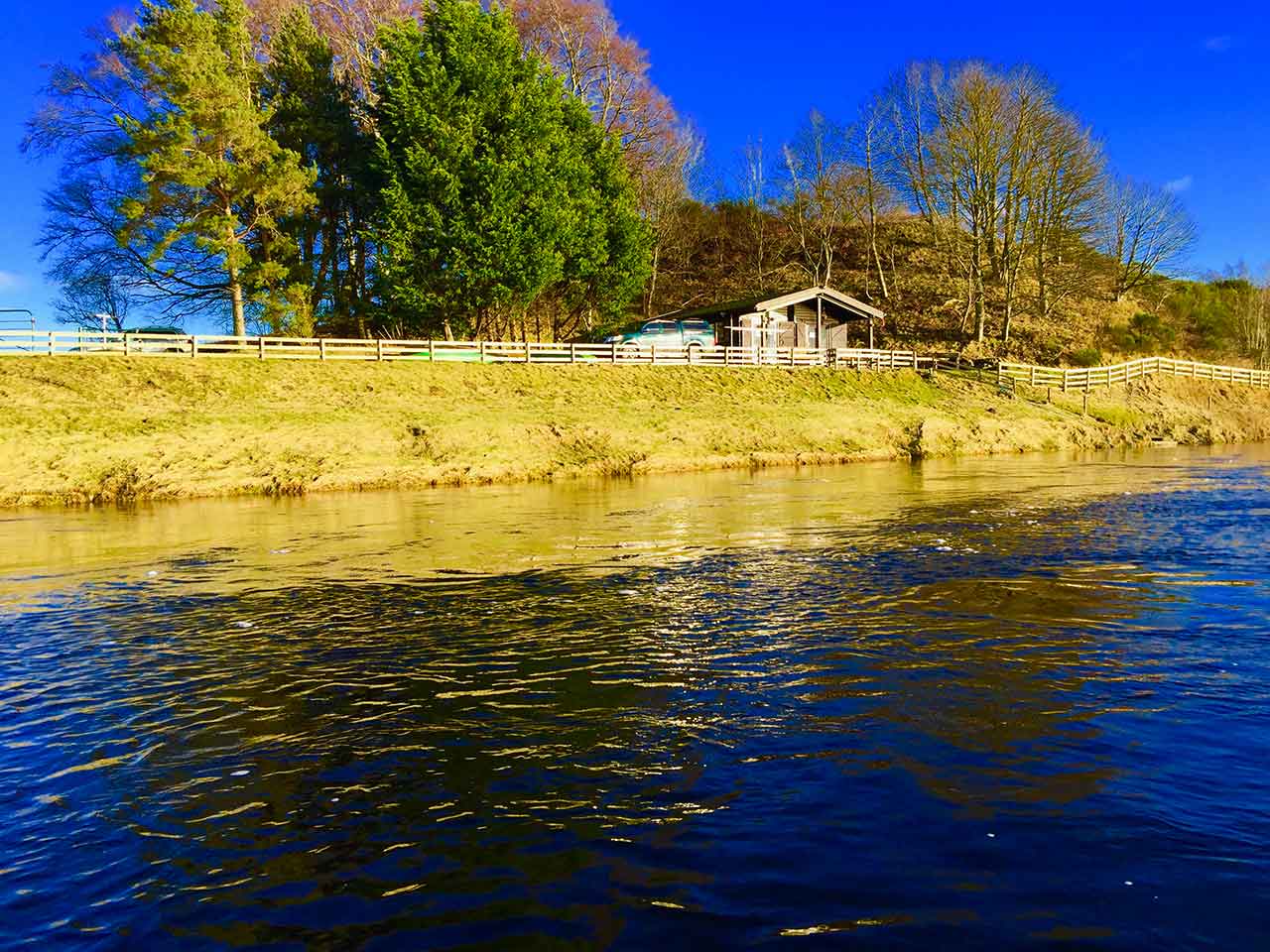
Enjoy a three-night stay in a riverside cottage with two full days of guided salmon fishing on the private Taymount Beat of the River Tay. The package includes accommodation, fishing permits, tackle, and expert guide support for an authentic Scottish angling experience.
3 Days
Perthshire

Popular
Chasing Scottish Golds and Rainbows Tour
A tranquil 2-day guided trout fishing trip in remote Perthshire, targeting both wild brown and rainbow trout from private hill lochs, with 3 nights’ stay in the charming Atholl Arms Hotel in Dunkeld.
3 Days
Perthshire

Spring vs Summer Salmon Fishing on the River Tay
Where and How to Catch Salmon on the River Tay
The River Tay opens its banks to anglers on the 15th of January and this is a much anticipated date on the Scottish salmon fishing calendar. The season extends until the middle of October. Fresh fish are caught regularly from opening day onwards. Usually in January and February the majority of fish are caught spinning. During the early spring months, many of the fish entering the system are destined for Loch Tay and beyond, but the speed at which they run upstream is dictated by water temperature. If the water is very low, then it is usually the beats on the lower river that enjoy the best of the sport. There are a number of temperature barriers in this region of the river including the famous Linn Pool and Catholes Weir. These obstacles can often slow down the speed at which the fish run upstream.
By April and May, water temperatures begin to rise, and more fish enter the river. In the late spring, many of the fish running the river are progressing towards some of the rivers larger tributaries like the Lyon, Tummel and Isla. This is when the beats located on the middle river excel. The numbers of spring salmon entering the river usually peak in late spring, and often good numbers of springers are still being caught in June. In recent years, anglers on the River Tay have enjoyed much improved catches during the spring period, making it now one of the most consistently performing early season rivers in Scotland.
Catching Atlantic Salmon on Scotland’s River Tay
River Conditions and Their Impact on Salmon Runs
During the summer months good numbers of grilse and larger summer salmon enter the river. The runs of summer fish usually peak in late July and August. Some of the fly fishing opportunities on the river at this time of year are second to none. The beats located on the middle and lower river are usually the most productive at this time.
Traditionally, the River Tay is probably most famous for its autumn run. Usually, during September and October, large numbers of fresh fish enter the river system. These fish are often big in size and extremely powerful. This is when large catches can be made. People from all over the world come to fish the River Tay at this time of year. Later in the season is usually when the lower beats are at their most productive.
The River Tay is like no other salmon river in Scotland in terms of sheer size and power. If you want to catch a big salmon in Scotland than the Tay is your answer.
