
Salmon Fishing On The River Tweed
The River Tweed is one of Scotland’s most famous rivers and one of the leading destinations for salmon fishing in Europe. Flowing for almost 100 miles through the Scottish Borders before entering the North Sea at Berwick-upon-Tweed, the Tweed is internationally recognised for its salmon fishing, scenic countryside, and longstanding sporting traditions. For visitors planning a fishing holiday in Scotland, the Tweed offers a combination of high quality fishing, comfortable accommodation, historic surroundings, and a wide range of activities for both anglers and non-anglers in the party.
The River Tweed rises in the Lowther Hills and flows east through the Borders towns of Peebles, Kelso, Coldstream, and Berwick-upon-Tweed. Along its course, the river passes through rolling farmland, wooded valleys, historic estates, and traditional Scottish towns. The Tweed is widely regarded as one of the finest salmon rivers in the United Kingdom and attracts anglers from around the world throughout the fishing season.
One of the main attractions of the River Tweed is its long fishing season, which runs from 1st February until the 30th November. This provides anglers with almost ten months of salmon fishing, making it one of the longest salmon seasons in the country. Different times of the year offer different fishing conditions and experiences. Spring is known for large, powerful salmon fresh from the sea, while summer brings an abundance of grilse. Autumn is considered by many to be the highlight of the season, when larger runs of backend salmon run upstream to their spawning grounds.
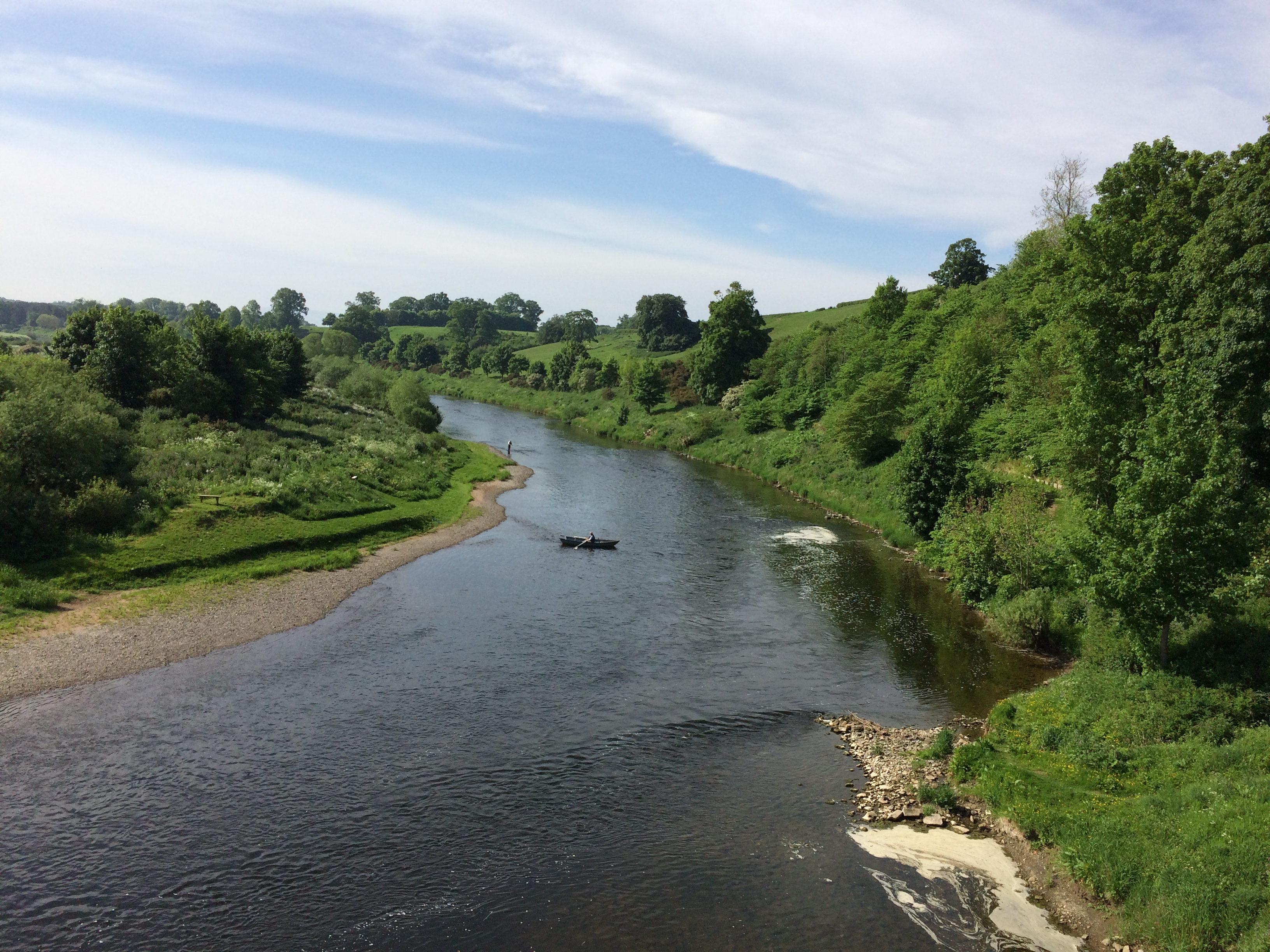
Find Out About The Best Places to Fish on The Scottish Borders
River Tweed
Scottish Borders Fishing Beats
The River Tweed offers a multitude of excellent fishing beats, each offering different fishing opportunities. Some beats are suited to experienced fly fishers looking for classic salmon pools and fast water, while others are ideal for beginners or guests new to salmon fishing. Well known beats include the Junction Beat at Kelso, where the River Teviot joins the Tweed, Floors Castle Beat, Sprouston, Birgham, Carham, and Ladykirk. Many of these beats are recognised internationally and have a long history when it comes to salmon fishing.
While the River Tweed is best known for salmon fishing, it is also an excellent destination for the non anglers in the party. Many visitors travel to the Borders as couples, families, or mixed groups, where some guests fish and others prefer sightseeing, walking, shopping, or relaxing in the countryside. The region offers a wide variety of attractions and activities within easy reach of the river.
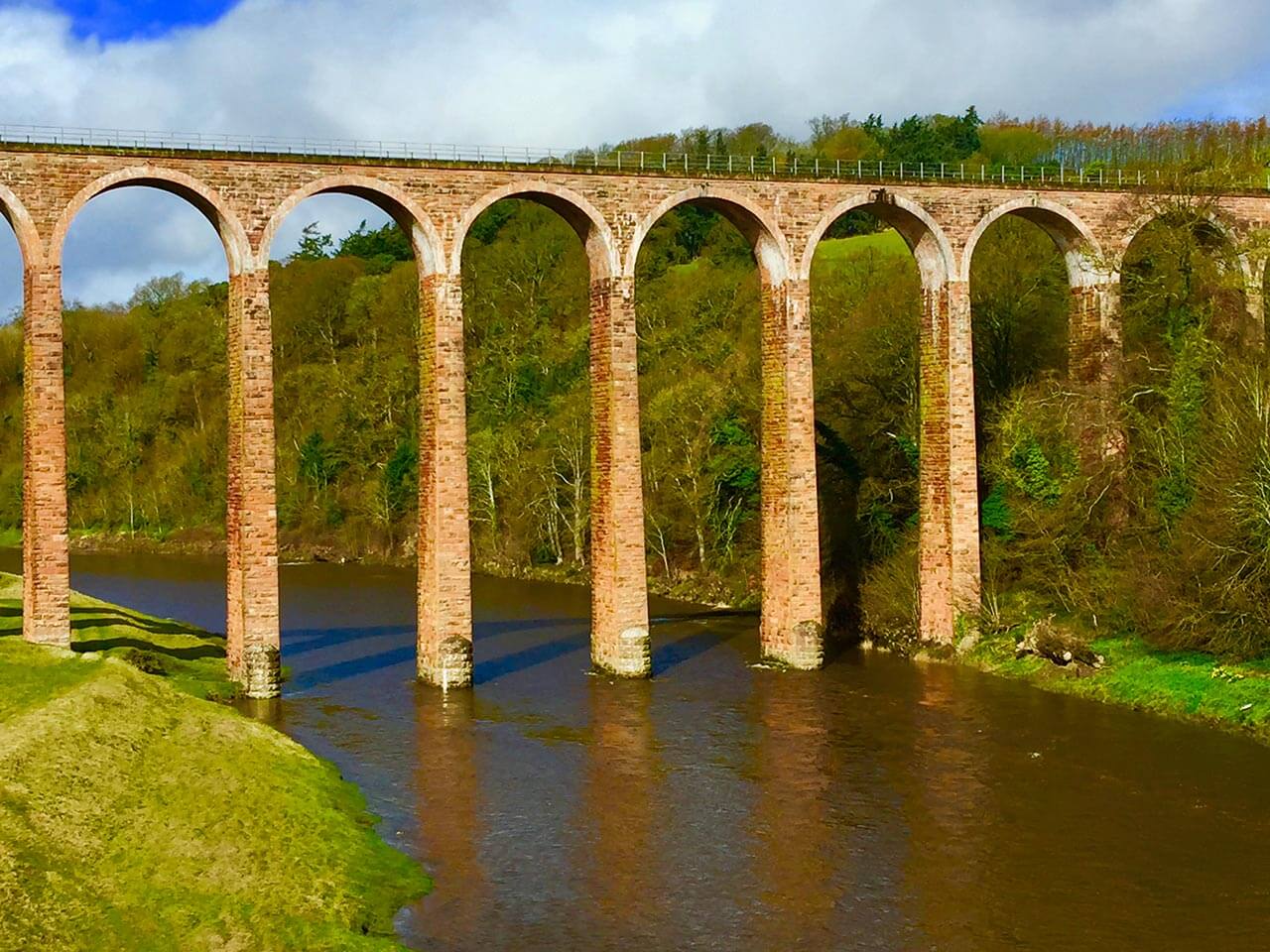

River Tweed
Salmon Fishing Near Kelso, Melrose and Peebles
The town of Kelso is one of the main areas for salmon fishing on the River Tweed. Located near several famous fishing beats, Kelso is known for its large market square, Georgian architecture and independent shops, cafés and restaurants. The town is also home to Floors Castle, one of the largest inhabited castles in Scotland and the residence of the Duke of Roxburghe. Floors Castle is open to the public and includes formal gardens, woodland walks, guided tours, and riverside grounds overlooking the Tweed.
Further upstream lies Melrose, one of the Borders’ best known historic towns. Melrose Abbey is one of Scotland’s most important medieval abbeys. Nearby Abbotsford House, the former home of Sir Walter Scott, offers an insight into the life and work of one of Scotland’s most famous writers. The house contains collections of art, antiques, books, and historical artifacts and sits beside the River Tweed in magnificent grounds.
Peebles, located on the upper River Tweed, is another popular destination within the Borders region. Surrounded by hills and forests, Peebles offers excellent walks, cycling routes and an amazing golf course. The town has a range of independent shops, galleries, cafés and hotels. The Borders also provides access to Scotland’s east coast and nearby Northumberland.
River Tweed Fly Fishing Experiences
Luxury Fly Fishing Breaks in the Scottish Borders
The River Tweed and the surrounding areas offer an excellent balance of fishing, history, countryside scenery, and cultural attractions. Anglers have access to one of the world’s most famous salmon rivers, while non anglers can enjoy castles, historic towns, gardens, walking routes and coastal destinations throughout the Borders region. A fishing holiday on the River Tweed is not just about fishing; it combines Scotland’s sporting traditions with local hospitality, high quality accommodation and some of the country’s most attractive landscapes.
For visitors interested in the great outdoors beyond the fishing, the Scottish Borders offers magnificent walks and cycling routes. Forest trails and Riverside walks. Allowing you to explore the landscape at your own pace. Wildlife is commonly seen throughout the region, including salmon, otters, deer, herons, curlews, and birds of prey. The Borders also has a strong cultural and textile heritage. Towns such as Selkirk and Galashiels are historically associated with tweed and cashmere production and continue to produce traditional Scottish fabrics today. Visitors can explore local textile mills, independent shops, and craft stores specialising in clothing and homeware inspired by the Scottish landscape.

Hadrian's Wall
Hadrian's Wall is another major attraction located within easy reach of the Scottish Borders and the River Tweed. Built by the Romans around AD 122 during the reign of Emperor Hadrian, the wall once stretched approximately 73 miles across northern England from the River Tyne to the Solway Firth. It was constructed to defend the northern frontier of the Roman Empire and remains one of Britain’s most important historic landmarks. Today, visitors can explore well preserved sections of the wall, Roman forts, museums, and walking routes that pass through beautiful countryside. Hadrian’s Wall is recognised as a UNESCO World Heritage Site.
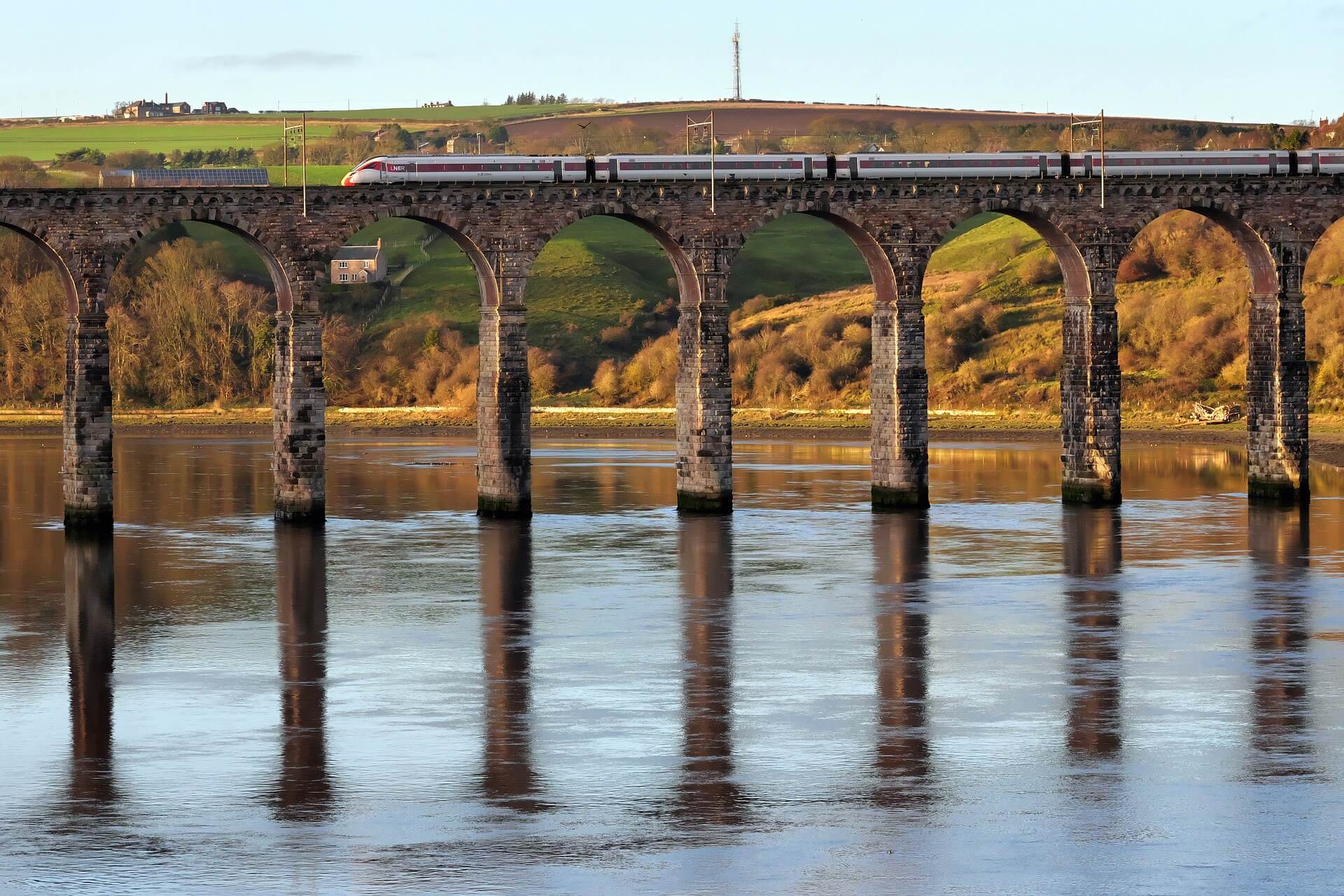
Berwick-Upon-Tweed
Berwick-upon-Tweed, located where the river meets the sea, is known for its Elizabethan town walls, historic harbour, and coastal views. The nearby fishing villages of Eyemouth and St Abbs are popular for cliff walks, wildlife watching, diving, and seafood restaurants. You can also travel south to Bamburgh Castle, one of the most recognisable castles in northern England, located beside wide sandy beaches on the Northumberland coast.

Schloss Roxburghe Hotel
Accommodation for salmon fishing holidays on the River Tweed is varied and suitable for a variety of tastes. Luxury country hotels, sporting lodges, guesthouses, self-catering cottages and private estates are located throughout the valley. The 5* Schloss Roxburghe Hotel, situated near Kelso, is one of the best known luxury hotels in the region and offers a remarkable golf course, spa facilities and fine dining. Smaller hotels and establishments like the Collingswood Arms offer a more traditional Scottish hospitality package.
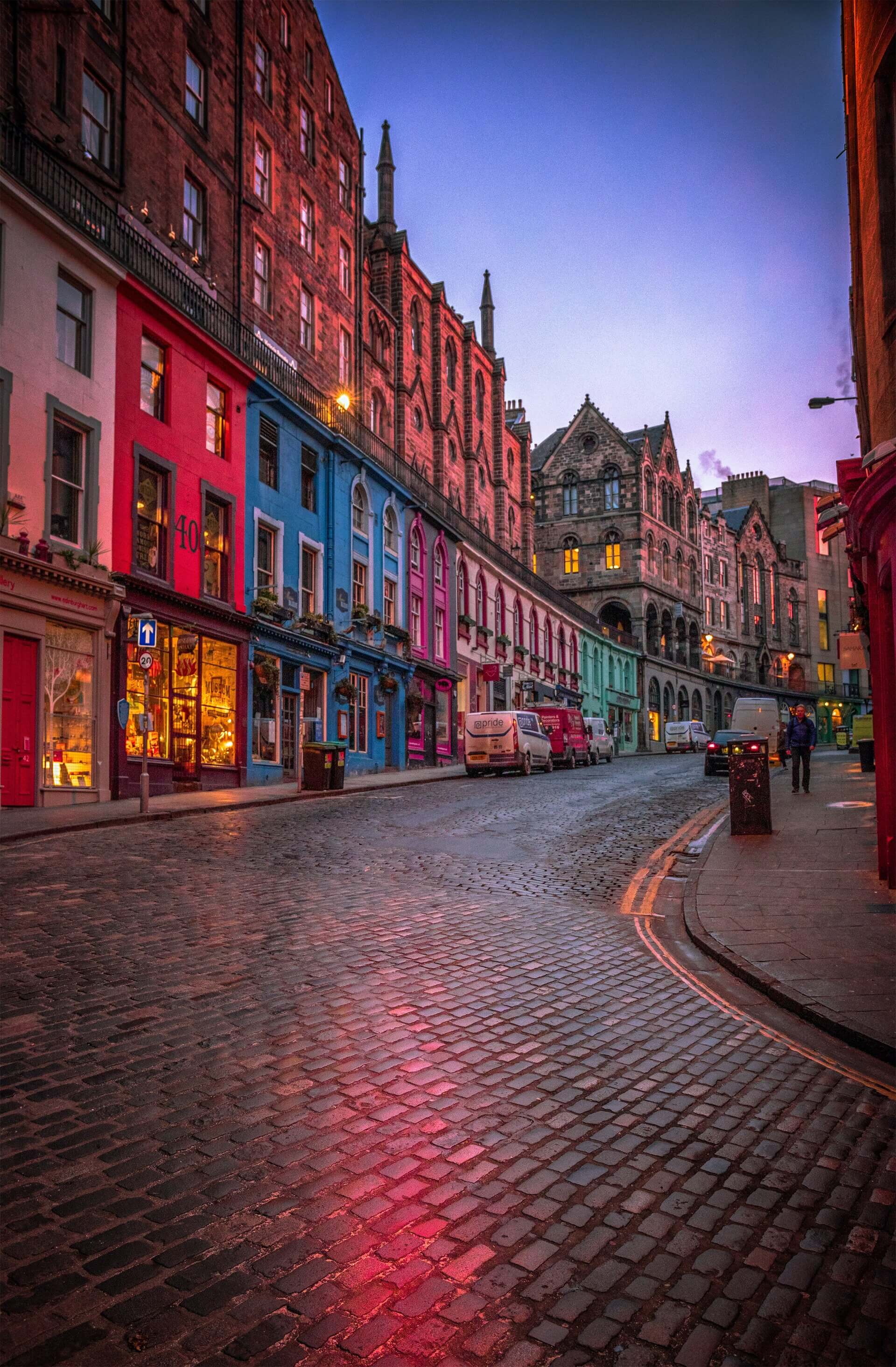
Edinburgh
Edinburgh is located approximately 45 miles from the upper River Tweed and around 50-60 miles from Kelso and the central Borders, making it easily accessible for day trips or as part of a combined travel itinerary. Most areas of the Tweed Valley can be reached from Edinburgh in around 1 to 1.5 hours by road. Many clients choose to begin or end their salmon fishing holiday with a stay in Scotland’s capital city. Edinburgh offers a wide range of attractions for both anglers and non-anglers. Edinburgh Castle, located on Castle Rock above the city centre, is Scotland’s most visited historic attraction and offers views across the city and beyond.
The Royal Mile connects the castle with the Palace of Holyroodhouse and includes historic closes, museums, restaurants, and traditional Scottish shops. Visitors can also explore the National Museum of Scotland, St Giles’ Cathedral, Princes Street Gardens, and the historic Old Town and Georgian New Town. For visitors interested in culture and entertainment, Edinburgh offers a vast array of theatres, galleries, whisky experiences, fine dining restaurants, and luxury shopping. The city is also internationally known for the Edinburgh Festival Fringe and the Royal Edinburgh Military Tattoo, which take place each summer in August and attract visitors from around the world.