Highlands & Islands
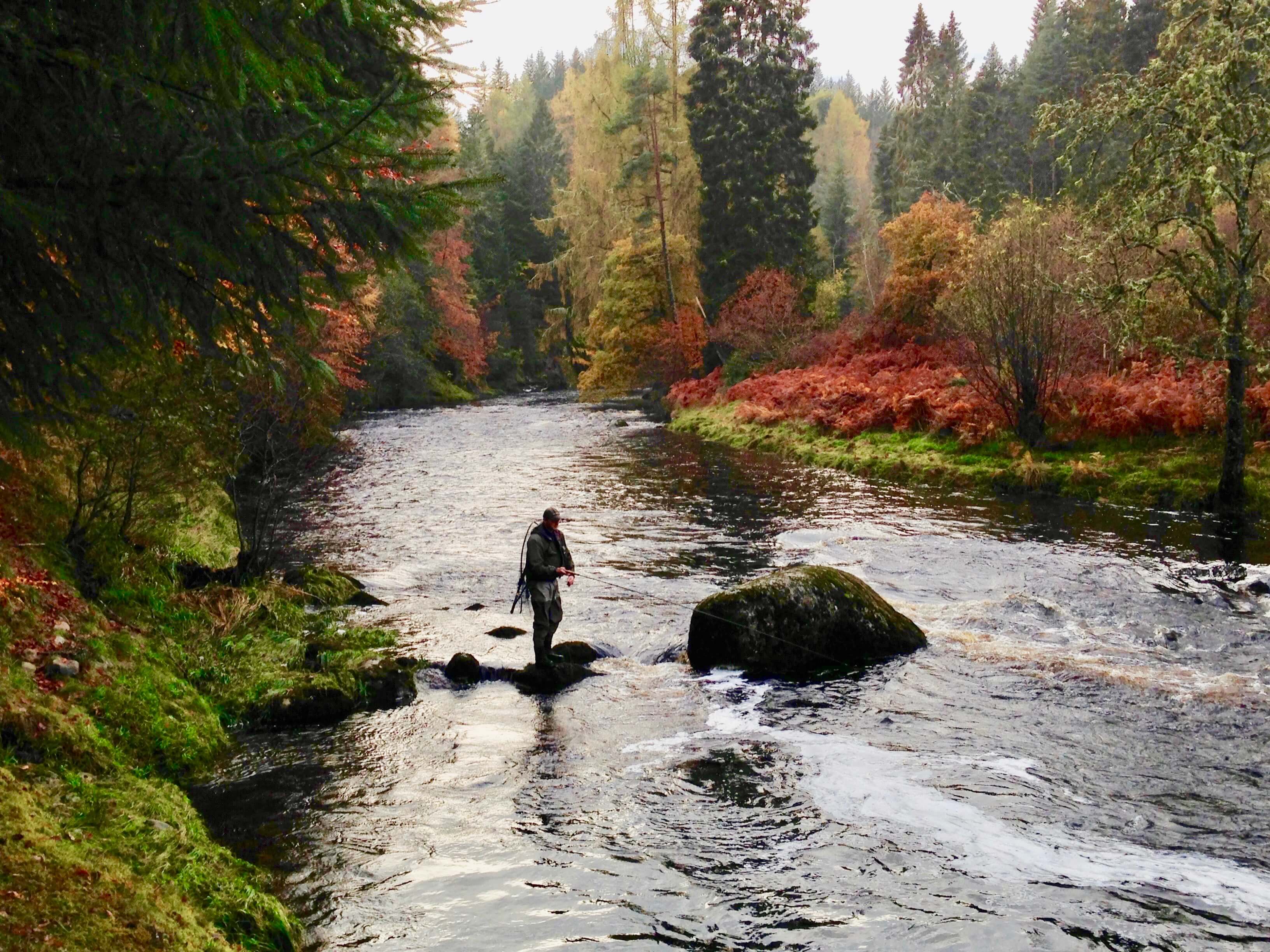
Salmon fishing in the Highlands of Scotland offers an experience that goes well beyond casting a fly into the clear waters of a highland river; it is a journey shaped by time and tradition, where rivers run alongside forests, beneath mountains and through glens which have been unchanged for centuries. Whether fishing the small hidden rivers like the Thurso and Alness or the larger rivers like the Spey or Conon, you will find yourself immersed in an atmosphere that blends tranquillity and challenge while absorbing the unique culture of the Scottish Highlands.
Each Highland River boasts its own character, challenges and has its own story to tell, which has been passed down through the generations of local anglers and ghillies. The wildlife in the Highlands is abundant and the scenery is always dramatic. For many visitors, the fishing days become moments of peaceful focus, disturbed only by the taking of a fish or hearing the call of the deer from across the moors. The stunning natural surroundings create a fantastic experience that will stay with you, long after your trip ends.
Salmon fishing in the Scottish Highlands is only a small part of what makes the Highlands so special. When you are not casting a line, the area opens into a world of coastal cliffs, historic castles, whisky distilleries, traditional villages and jaw dropping viewpoints. From wandering through medieval ruins, watching dolphins at Chanonry Point, to exploring the mountain trails, or tasting some of Scotland’s finest single malt whiskies, the Highlands of Scotland truly has something to offer everyone. A fishing trip to the Scottish Highlands is much more than a sporting holiday; it is a complete Highland experience.

Find Out About The Best Places to Fish in Scottish Highlands
Curated travel experiences that transform journeys into unforgettable stories. Filter by your preferences and find the perfect escape.
River Spey
Highlands & Islands
The River Spey is probably the most famous and prolific salmon river in the Highlands. It is one of the country’s legendary salmon rivers and serves as a benchmark for fly fishing for the Atlantic salmon. The River Spey is also part of the “Big 4in4 Challenge” (alongside the Tay, Tweed and Dee) the River Spey is also famed as the birthplace of the famous double-handed Spey cast.
The Spey rises in the Cairngorms and flows northeast towards the Moray Firth. Its catchment and tributaries give it a relatively large volume, allowing it to handle spate flows and remain fishable under varied conditions. The season begins on the 11th of February and runs until the end of September. One of the advantages of fishing the River Spey is its combination of early fish (“springers”), which arrive in March/April and the prolific summer run of larger summer salmon and grilse. The Spey offers a large river fishing experience, boasting magnificent Scottish Highland scenery. With strong historical roots, the river provides quality fishing with a rich angling heritage. Because of the rivers size and current, it gives anglers a chance of catching “big fish” and casting a line over classic runs.
Beyond the fishing, the Spey region offers a wealth of attractions for visitors. The nearby town of Aviemore serves as a gateway to the Cairngorms National Park, a vast expanse of mountains, forests, and lochs ideal for hiking, mountain biking, and wildlife spotting. Whisky connoisseurs will find the Speyside area particularly interesting, as it is home to over half of Scotland’s single malt whisky distilleries. Famous distilleries such as Macallan, Glenfiddich, Glenfarclas, and Aberlour are within easy reach. Many Speyside distilleries offer fantastic tours that culminate in a tasting experience, allowing you to savour some of the finest single malts in the world. Speyside offers a rich historical heritage, including castles such as Ballindalloch Castle & Gardens, Duffus Castle and Auchindoun Castle, to name just a few. Ancient ruins also dot the surrounding landscape, offering a glimpse into Scotland’s rich heritage.


River Findhorn
The River Findhorn is one of Scotland's most dynamic and picturesque salmon rivers and offers unforgettable Highland scenery. For anglers seeking both adventure and relaxation, a visit to this Scottish Highland river and its surrounding landscapes, offers a truly remote Scottish experience.
Salmon fishing on the River Findhorn is shaped by breathtaking rugged scenery and offers ever changing conditions. The River Findhorn is not for the novice or faint hearted but with its steep sided gorges and fast-flowing water, the river provides a unique experience for anglers. The River Findhorn demands attention and skill, offering deep, shadowed pools to narrow, gliding runs but this river can be extremely rewarding given the right conditions. The prime months typically span from late March until early September. The summer spates on the river often bring fresh, hard fighting salmon upstream.
Beyond fishing, the River Findhorn is excellent for sightseeing and exploring. Close by is the quaint town of Forres. Forres offers an abundance of historic sites, such as Sueno's Stone, a towering Pictish monument, carved with mysterious symbols and the landscaped paths of Grant Park. Just a short drive away lies Brodie Castle, a beautifully preserved turreted manor set among tranquil grounds, where visitors can stroll through woodland trails and admire seasonal displays in the gardens.
To the west, the eco-village of Findhorn offers an entirely different atmosphere. Known for its sustainable living community and sweeping beaches along the Moray Firth, the village invites travellers to slow down, explore local arts and crafts, or wander barefoot on vast open stretches of sand. Dolphins are often spotted offshore, adding a touch of magic to the coastal walks.
Those who love nature will find endless possibilities in the surrounding countryside. The Findhorn Valley, also known as the Valley of the Raptors, is a birdwatcher's paradise with majestic golden eagles, red kites and falcons flying high above the hills. The Findhorn Valley also offers some magnificent hiking trails. These trails will take you through rocky gorges, ancient forests and quiet moorlands offering outstanding panoramic views.
For the whisky connoisseur, the famous Whisky Trail of Speyside is just a short drive away, offering a multitude of world-class distilleries to visit.
View Our Fly Fishing Holidays in the Scottish Highlands
Cast into some of the most remote fly fishing waters in the Highlands, then retreat to a lodge designed for rest and restoration. These are holidays where rugged landscapes meet refined living — combining exceptional fly fishing with privacy, comfort and Highland calm.
New
Glen Lyon Red Stag Stalking & Highland Sporting Escape
Experience the ultimate Highland sporting escape in Glen Lyon with thrilling red stag stalking and a full day of salmon fishing on Scotland’s iconic rivers. Stay in luxury accommodation surrounded by breathtaking Perthshire scenery and authentic Scottish hospitality. Perfect for sporting enthusiasts seeking an unforgettable adventure in the heart of the Highlands.
4 Days
Scottish Highlands
Popular
Speyside Scottish Salmon Fishing & Whisky Tour
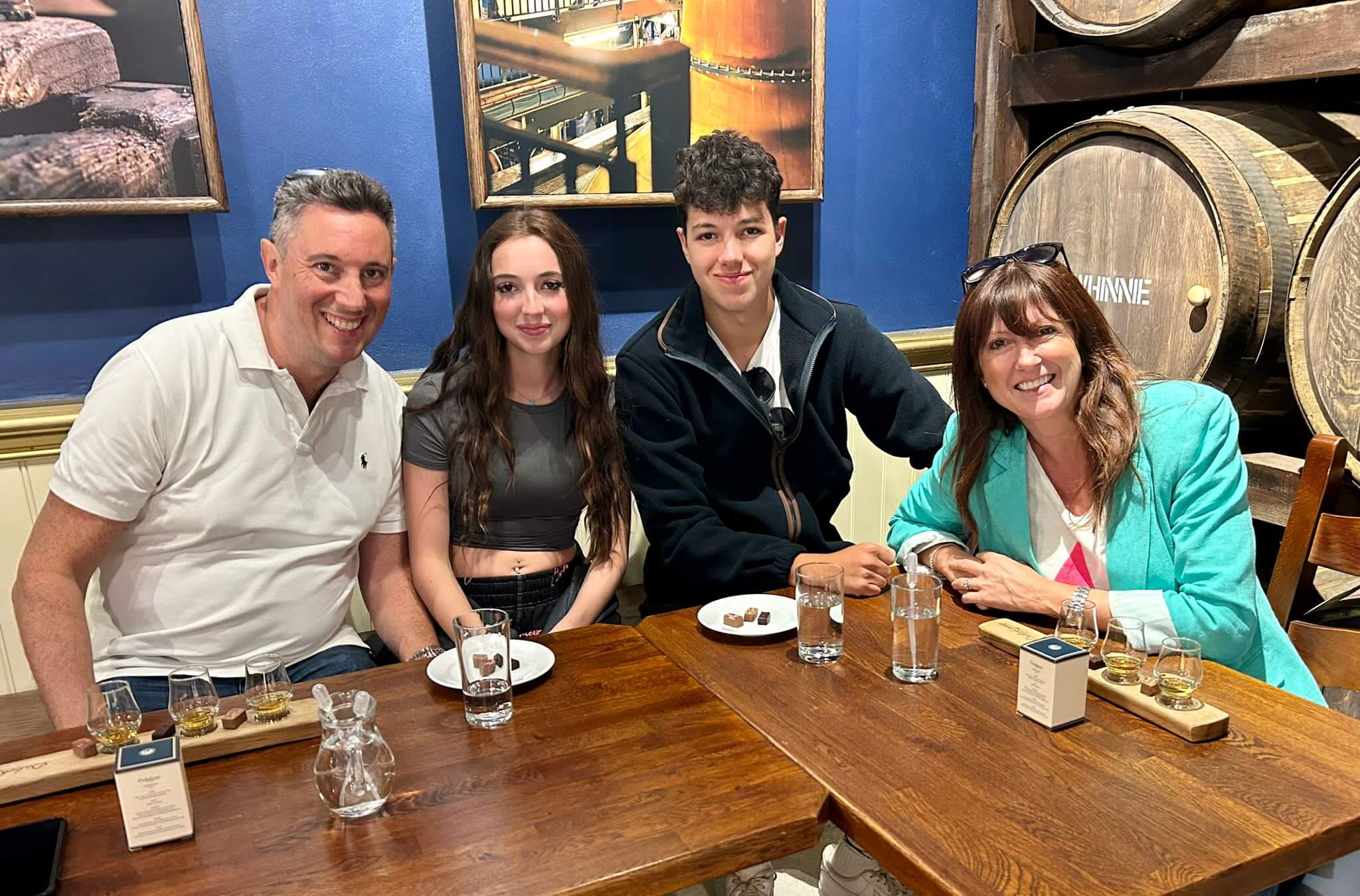
The Speyside Scottish Salmon Fishing & Whisky Tour offers two days of guided salmon fishing on the River Spey, complemented by a private whisky distillery tour visiting three renowned distilleries. This immersive experience includes four nights at the Mash Tun Hotel, all fishing permits, tackle, and private transfers, making it an ideal choice for anglers with an appreciation for Scotland's whisky heritage.
5 Days
Speyside

Popular
Highland Salmon Fishing & North Coast 500 Tour
The “Highland Salmon Fishing & North Coast 500 Tour” is an 8-day trip combining single-day guided salmon fishing on two famous Scottish Highland rivers (Alness and Thurso) with a scenic drive following the NC500 route. The package includes seven nights’ accommodation, all fishing permits, tackle and a guide, and is best done between May and October.
7 Days
Scottish Highlands

Our Recommendation
Salmon & Trout Fishing Scottish Highlands Tour
The Salmon & Trout Fishing Scottish Highlands Tour offers two days of salmon fishing on the River Alness and River Thurso, complemented by a day of wild brown trout fishing on Loch Watten. This immersive experience includes seven nights' accommodation, all fishing permits, tackle, and guides, set against the stunning backdrop of the Scottish Highlands.
7 Days
Alness, Thurso & Loch Watten

Limited Spots
The 400 Loch Wild Brown Trout Fishing Safari 2027
The “400 Loch Wild Brown Trout Fishing Safari” is a trout-angling trip in Scotland’s North West Highlands, based at the Scourie Hotel, giving you three days’ guided fishing on private lochs (over 400 available), plus four nights B&B lodging. Ideal for anglers from May through August, it includes tackle/boat hire, guides, and aims for trout often exceeding three pounds.
3 Days
Scottish Highlands
Scourie
Scourie is situated on the wild northwest coast of Sutherland and offers fantastic sport, dramatic scenery and a sense of the true wilderness. For many years, anglers have travelled from all over the world to fish its vast network of lochs, famous spate rivers and enjoy the peaceful solitude of the northwest of Sutherland.
Scourie is world renowned for its wild brown trout fishing. The area boasts access to more than 400 lochs scattered across miles upon miles of open moorland. These lochs vary greatly in character, depth and size. Some are intimate hill lochs sheltered among large rocks, others offer a much larger expanse of water, where fishing from a boat is essential. Across the hundreds of lochs, one thing remains: All the trout are beautifully marked and completely wild. The fish tend to respond well to wet flies like the Kate McLaren, Zulu and Claret Bumble, to mention just a few. These flies do well when drifting from a boat with a good breeze.
Some of the lochs require a good walk over heather and peat, rewarding anglers with fantastic views, complete solitude and the chance to fish water that has probably not seen a fly in months. Although most fish are of average size, trout weighing up to 12 pounds have been recorded. Hidden among this network are a few stretches of waters known for larger fish and discovering them is an achievement in its own right.
Scourie is also well situated to some of the Highlands' finest salmon and sea trout rivers. The River Laxford must be one of Scotland’s best spate rivers. The river relies on rainfall but when it rises, all the fish in the estuary run into the small system and catches can be phenomenal. Single handed rods, accurate casting and traditional small flies are the norm.
Scourie doesn’t just offer fantastic salmon, sea trout and brown trout fishing but its surroundings offer superb sightseeing opportunities. Handa Island, a wildlife reserve, lies just a short drive north. The reserve boasts sandstone cliffs and thriving seabird colonies, including puffins, guillemots, and great skuas.
Sandwood Bay, which is often described as one of Scotland’s most picturesque beaches, is another must-see. Reached by a scenic four-mile walk, it offers vast golden sands, towering dunes, and views of the imposing sea stack Am Buachaille.

Isle of Harris & Lewis
Salmon fishing on the Isles of Harris and Lewis offers a unique experience. Blending sporting heritage, rugged wild scenery and unique waterways. Although these islands are connected, they offer different fishing experiences.
The Isle of Harris boasts rugged hills, steep glens and fast flowing rivers that run from the hill lochs to the sea. Rivers such as the Hamanavay and Laxdale run through remote countryside, are very intimate rivers and can be extremely rewarding. Many Isle of Harris rivers are small and do well in spate conditions. Away from ideal river conditions, as an additional option, anglers can fish the island's remote lochs and drift fish from a boat. Traditional flies like the Orange Muddler, Claret Bumble and Blue Charm work exceptionally well.
The Isle of Lewis offers a stark contrast to Harris in both scale and character. The Grimersta and Creed systems are linked by large lochs that hold salmon throughout the season. Loch-style fishing is what the Isle of Lewis is renowned for and can offer outstanding sport.
Both islands offer not just great salmon fishing but also excellent brown trout fishing. Brown trout are abundant throughout the multitude of remote hill lochs on offer on both Lewis and Harris. The trout, although generally small, are beautifully marked and eager to rise to the fly. Sea trout fishing is another highlight on the islands, especially during the summer months, when fresh fish enter the mouth of the river and the sea lochs.
Away from the fishing, both islands are world-renowned for red deer stalking, which is an ideal way to explore the vast landscape. Stalking takes place across the high moorlands, guided by experienced stalkers who know the land. The wildlife, solitude and incredible views make the experience as rewarding as the challenge itself.
The Isle of Harris and Lewis don't just offer fantastic fishing and stalking but also amazing beaches and remarkable sightseeing. The Isle of Harris is renowned for its stunning beaches, which are by far the best in the UK. The most famous beach must be Luskentyre which offers sweeping white sands and shimmering turquoise water that can almost feel tropical on a summer's day. Nearby Seilebost and Scarista are equally beautiful, boasting large stretches of soft white sand, dunes, and a peaceful atmosphere. The solitude found on these beaches is one of their greatest charms.
Beyond its beaches, Harris also offers excellent sightseeing opportunities. The North Harris hills provide rewarding hikes with panoramic views across the island chain. The famous Golden Road, winds through small coastal villages on the east coast, boasting an insight into traditional crofting life. Visitors can also explore the Harris Tweed weaving sheds, where artisans handcraft this world-famous cloth.
Lewis offers dramatic landscapes and historic sites. The most iconic attraction is the Callanish Standing Stones. These stones in a prehistoric circle feel especially atmospheric at sunrise or sunset. The restored Blackhouse Village at Gearrannan and the traditional Norse Mill and Kiln near Shawbost, offers an insight into island life across the centuries. Viewpoints such as the cliffs at Mangersta and the lighthouse at the Butt of Lewis, showcase the island's wild Atlantic edge, often accompanied by seabirds, crashing waves, and unforgettable horizons.
River Thurso
The River Thurso is one of the most northerly rivers in Scotland, where you can fly fish for Atlantic salmon. It is also one of the most productive rivers in the country. The river flows from the Countries peatlands to the mouth of the river in the town of Thurso. The Thurso is an intimate river that appeals to all skill levels.
The River Thurso is a fly only river and its size makes it especially enjoyable to fish. As the river is not too wide, anglers can cover the pools effectively and read the water with confidence. Early spring, when river levels are often higher and temperatures cooler, springers (“spring salmon”), although fewer in numbers, provide excellent sport. As the season progresses, the salmon runs entering the system become more frequent and the catches can be highly productive. Traditional flies like the Ally’s Shrimp, Golden Willie Gunn and Silver Stoat tend to do very well on the River Thurso.
Part of the lure of fishing the Thurso is the landscape that surrounds it. Anglers find themselves immersed in the solitude of the Highlands. The expansive moorlands and abundant birdlife enhance the experience. The surroundings feel very remote and untouched.
Away from the riverbank, Thurso is an ideal base in which to explore Caithness. Thurso is the most northerly town situated on the British mainland and offers remote, untouched beaches, history and scenery. Overlooking the Pentland Firth, the town provides exceptional sea views and Thurso Beach is an ideal place to take a stroll.
The Caithness Horizons Museum offers an engaging introduction into local heritage, Pictish history, Viking influence, and the region’s geological story. The ruins of Old St Peter’s Church, dating back to the 12th century, tell the story of Thurso’s medieval past.
Just outside Thurso, the surrounding areas, offer fantastic sightseeing opportunities. Dunnet Head, the most northerly point of mainland Britain, is only a short drive away. Dunnet Head provides excellent views from its lighthouse-topped cliffs, with panoramic views over the Orkney Islands. Nearby Dunnet Bay offers a sandy beach and is ideal for observing seabirds nesting in the high rock faces. Also close by, is the famous beloved residence of the late Queen Mother, the Castle of Mey. The castle has been beautifully restored, and the walled gardens make it a must-visit for anyone interested in royal history.


River Alness
Salmon fishing on the River Alness and River Conon offers a unique angling experience. Both these rivers run through glens, forests and large lochs. They provide the perfect blend of accessible fishing with varied water and are ideal for both the seasoned angler and novice.
The River Alness is known as one of Scotland’s hidden gems and is one of the most beautiful and productive small salmon rivers in Scotland. The river flows from Loch Morie down to the Cromarty Firth. It offers gentle glides, narrow gorges, and fast moving pools. Its compact size means anglers can effectively cover most of the water.
The Alness fishes best in the summer and autumn months and boasts a strong run of both summer and autumn salmon and sea trout. The river is a spate river to a degree and once you have had a lift in the water the river becomes alive and fish move quickly upstream.
River Conon
The river Conon, in comparison, is larger and more expansive than the Alness. This river is one of the great salmon rivers of the Highlands, with a reputation that stretches back centuries. The river starts its journey from Loch Luichart and the mountains then flows through farmland, wooded banks and meadows before reaching the Cromarty Firth.
The Conon offers excellent salmon and sea trout fishing throughout the season, with a range of private beats that cater to both beginners and experienced anglers. The character of the Conon varies significantly from the upper river, which is influenced by hydro-controlled heights, to the calmer, wider pools of the lower reaches.
Flies like the Silver Stoat, Gold Willie Gunn and Red and Black Francis tend to do well on both rivers.
Away from the fishing, both the Alness and Conon offer fantastic sightseeing opportunities. Alness town itself is charming, offering local shops and cafes. There is also easy access to coastal walks along the Cromarty Firth. If wildlife spotting is your thing, you may spot ospreys, seals, and occasionally dolphins further out in the firth.
The Black Isle is just a short drive away and despite its name, is one of the region’s must-sees. Chanonry Point is one of the best known places in Europe for seeing bottlenose dolphins from the shore. The villages of Cromarty, Fortrose and Rosemarkie offer lovely beaches, traditional harbours and historic architecture.
Inland, the countryside offers quiet hill and forest trails. Rogie Falls offers spectacular views of the waterfall, and in the autumn months, you can witness salmon leaping upstream during the run. For those interested in history, the area boasts historical sites such as Castle Leod near Strathpeffer, which some might recognise for Outlander’s “Castle Leoch.”
Inverness, Loch Ness and the dramatic mountains of Torridon are all within an easy driving distance, making the Alness and Conon area an excellent base for exploring the wider Highlands. Whisky lovers will enjoy visiting nearby distilleries such as Glen Ord and Dalmore. Both these distilleries offer tours and whisky tasting.